Як запобігти вигоранню і зберегти таланти: підказки для HR
Український бізнес понад 2 роки працює в надзвичайно складних умовах, які вимагають багато особистих ресурсів та віддачі кожного з працівників. Це також одна з причин, чому робочого навантаження могло побільшати. Компанії борються за клієнтів, намагаються залучити інвестиції чи міжнародні гранти – все це потребує зосередженості та зусиль.
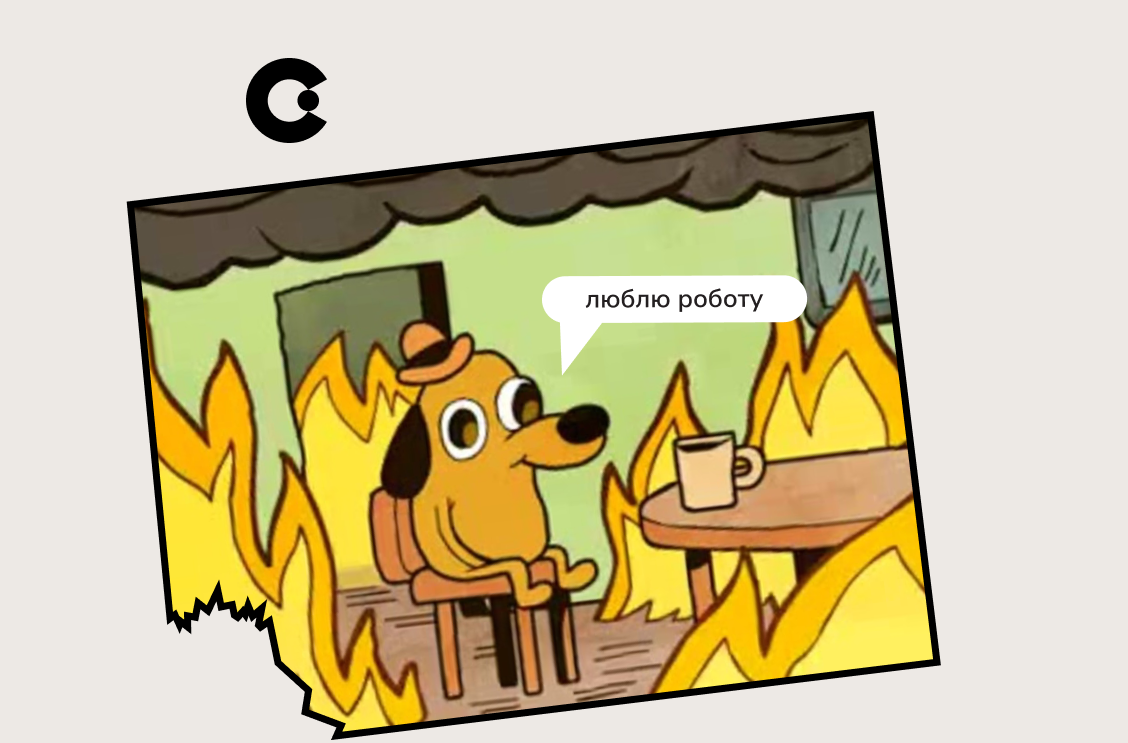
Проте, такий ритм роботи має зворотну сторону – вигорання співробітників. HR-спеціалісту важливо першим побачити “джерело вогню” та вчасно відреагувати на нього. Перший крок до успіху в цьому – вміння розпізнати ознаки вигорання та допомогти колезі.
Що таке вигорання в роботі?
Це психологічний стан, коли ми почуваємо себе дуже виснаженими, як фізично, так і ментально, а також постійно втомлені та без бажання до будь-який дій. Чинники, що можуть спричинити цей стан можуть бути різними: тиск керівництва, овертайми, нездорова атмосфера в команді, невмотивованість, відсутність підтримки, монотонна робота тощо. але вплив має не лише робота. Варто враховувати, що в кожного можуть бути особисті проблеми чи кризи, а також пережиті травми, особливо в контексті війни. Давайте детальніше зосередимось на цьому.
Ознаки вигорання
1. Емоційні зміни: апатія та відсутність мотивації
Спеціалісту може бути складно знайти вмотивованість до активної і продуктивної роботи, спостерігається спад ініціативності, байдужість та дратівливість. Навіть найменші завдання чи прохання інших колег підсилюють напругу в колективі. Його поведінка стає млявою, і основна мета – не внесок у розвиток компанії, а кінець робочого дня.
2. Фізичні зміни: втома та захворювання.
Звісно, не варто відкидати фактор того, що дійсно в людини можуть бути проблеми зі здоров’ям і це причина частих day-off’ів. Найчастіші симптоми, які проявляються на фізичному рівні – це втома, головні болі, безсоння, хронічні хвороби. Проте, якщо до частої відсутності додаються ще скасування зустрічей, протермінування дедлайнів – це точно знаки, що варто звернути увагу на цю ситуацію.
Окей, ми визначили основні ознаки, що можуть вказувати на вигорання на роботі. Але HR-спеціаліст, ніби пожежник, має іх “погасити”. Найкраще рішення на етапі виявлення перших “дзвіночків” – розмова з колегою, а також звернення до психотерапевта. Чому це важливо? Бо працівники, які більше перебувають у стресі, відчувають виснаження та апатію до роботи більш схильні до тривожних розладів чи депресії.
Як запобігти вигоранню або допомогти співробітнику із “симптомами”?
1. Баланс між роботою та відпочинком.
Овертайми та робота на вихідних – це перші тривожні дзвіночки. Нагадуйте колегам, про цінність ментального здоров’я, важливість відпусток і те, що їх потрібно використовувати. Недарма кажуть, що всю роботу не зробиш 🙂
2. Говоріть.
Так-так, особисті зустрічі з HR – це якраз та нагода, щоб поспілкуватись про все, що тривожить, з’ясувати причини змін у поведінці чи виконанні робочих завдань. Проговоріть подальші кроки, як компанія може підтримати співробітника. Зробіть регулярними зустрічі чи лекції від психологів та психотерапевтів, які, як спеціалісти, можуть проводити “профілактичні” заходи.
3. Нормалізація сну та фізична активність.
На ці фактори, ви, як HR-спеціаліст, звісно ж, не маєте повноцінного впливу, проте можете ще раз наголосити про це колегам або запросити фахівця для внутрішньої зустрічі.
4. Мотивуйте та підтримуйте.
Насправді, кожному з нас потрібна підтримка та відчуття власної цінності, а особливо в роботі. Тому рекомендуємо частіше нагадувати колегам про їхній внесок у розвиток компанії. Це може бути розмова з керівником, відгук клієнта чи навіть приємний коментар із соцмереж чи фідбек від інших працівників.
Запобігання вигоранню у співробітників – це теж складова успіху вашої справи. Підтримка та здорова робоча атмосфера, комунікації підвищить залученість та зацікавленість ваших колег, а також посилить продуктивність. Турбуйтесь про своїх співробітників, але й водночас не забувайте про себе. зміни у вашій корпоративній культурі.