Типологія Майєрс-Бріггс і чому вона потрібна HR
HR-спеціалісти – це люди в компанії, які найбільше комунікують зі своїми колегами з різних питань, знають який підхід потрібен до кожного. Щоб покращити свою роботу та швидко зрозуміти якою особистістю є колега можна звернутись до психології та її інструментів.
Що таке типологія Майєрс-Бріггс (MBTI (Myers-Briggs Type Indicator)?
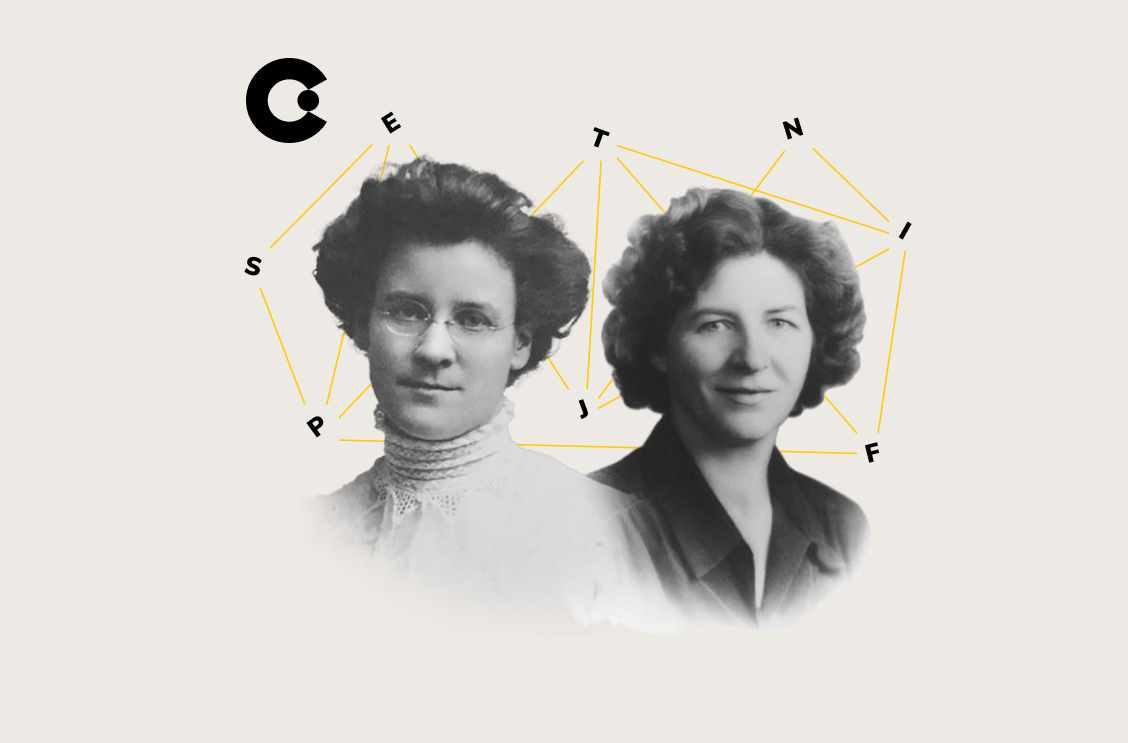
Тест Майєрс-Бріггс – це швидкий спосіб оцінки особистості та індивідуальних відмінностей людини. Кетрін Бріггс та її донька Ізабелла Майєрс-Бріггс на основі вчення психіатра Карла Юнга про чотири основні психологічні функції (мислення, почуття, відчуття та інтуїція), створили опитування про особистісні переваги. Завдяки методології MBTI можна швидко та точно визначити яка поведінка та почуття переважають у людини, що якраз важливо знати HR-спеціалісту.
За статистикою такий тест щороку проходять майже 3,5 млн людей, та використовують в роботі близько 90% компаній зі списку Fortune 100 для якісного рекрутингу, побудови та розвитку команди, управління талантами та формування лідерства.
Особливості типології Майєрс-Бріггс (MBTI)
MBTI визначає 16 типів особистості та використовує 4 шкали для дослідження:
Екстраверсія (E) та Інтроверсія (I): описує, як люди отримують енергію. Наприклад, екстраверти – командні гравці, черпають енергію від людей. Інтроверти – заряджаються наодинці.
Сенсорика (S) та Інтуїція (N): про те, як люди сприймають світ та його особливості. Сенсорики за факти, цифри та конкретику, натомість інтуїти зосереджені на ідеях та можливостях.
Логіка (T) vs Емоції (або етики, різні сайти різне – уточніть, можливо в HR, в оригіналі Feeling) (F): ця пара описує, як особистість приймає рішення. Логіки, звісно ж, використовують свою логіку, аналіз та інтелект. Емоції – про вибір та прийняття рішень на основі цінностей та відчуттів.
Судження (J) vs Сприйняття (P): про організацію життя. В першому випадку мова йтиме про людей, які люблять все планувати та чітко структурувати, контролюють все довкола, у другому – про тих, хто гнучкий та швидко адаптується до спонтанності.
Питання тесту побудовані таким чином, щоб людина швидко відповідала без довгого аналізу. Оскільки перша відповідь – те, як першочергово особистість діяє чи мислить. Бали аналізуються на кожній шкалі, де переважає один з варіантів. Наприклад, в парі E та І більше балів в I, то це пояснює інтровертний тип. В результаті ви отримуєте 16 варіантів груп з 4 букв, кожна з яких має свою інтерпретацію.
Пройти тест можна на сайті:
https://www.16personalities.com/uk
У чому користь тесту MBTI для HR-спеціаліста?
Підбір команди: HR буде легше визначити хто з колег на яку роль краще підходить в команді.
Навчання та розвиток: універсальна система навчання та вдосконалення навичок для всіх вже не працює Тест може допомогти закрити індивідуальний запит.
Розвиток команди: аналіз особистості – ключ до розуміння сильних та слабких сторін команди. Також це полегшує розуміння як будувати комунікацію.
Вирішення конфліктів: HR-спеціалісти зможуть краще розуміти різні погляди та точки зору. Тим самим посприяти швидкому вирішенню конфлікту.
Так, типологія Майєрс-Бріггс багато хто вважає вже досить застарілою або ж зазначають, що вона дещо спрощена. Та попри критику, тест залишається хорошим та все-таки актуальним інструментом до розуміння людської поведінки та темпераменту, які з роками не надто змінились.
Завдяки отриманим результатам, HR-фахівці зможуть ефективніше підбирати та розвивати команду, знаходити чіткі точки для пропрацювань та краще взаємодіяти з колегами.